
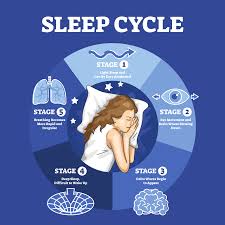
Sleep is not a uniform state but consists of multiple stages, each contributing to the body’s ability to function optimally. Understanding these sleep cycles can help explain why quality rest is essential.
Sleep typically alternates between rapid eye movement (REM) and non-REM stages. Non-REM sleep is often associated with physical restoration, including tissue repair and immune system support. REM sleep, in contrast, plays a key role in brain activity, memory processing, and emotional regulation.
The duration and timing of each sleep stage are important. Disruptions in the sleep cycle, such as irregular bedtime routines or nighttime awakenings, can affect how effectively the body restores itself. Even small, consistent improvements in sleep habits can enhance the overall quality of rest.
Sleep cycles also influence energy levels and mental clarity during the day. A balanced night of sleep allows for both physical recovery and cognitive refreshment, which can improve focus, productivity, and overall performance.
Recognizing the role of different sleep stages can encourage better sleep practices, ultimately supporting the body’s natural recovery processes.